




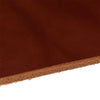

The quality of our vegetable-tanned half-backs andNiagara aniline finishes for your leather goods and harnesses. harness
Features of the Niagara half-back Acajou saddle leather :
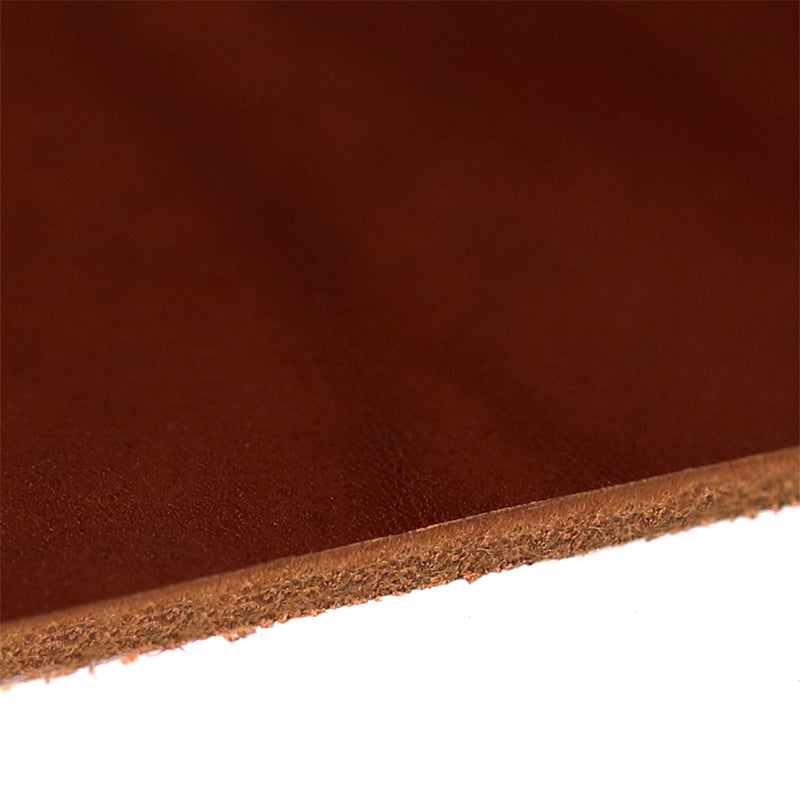
Niagara saddlery leather is 100% natural, full grain unpressed, uncorrected, smooth grain and chair. This leather is vegetable tanning non-allergenic leather. Vegetable tannins make the leather firm and resistant. It is nourished in a tallow bath (a mixture of paraffin and beef fat), more commonly known as " tallow leather". This nourishment makes the leather easier to cut and work, and gives it greater resistance to water. Tallow also ensures maintenance-free leather, as the fat is constantly added to the surface of the leather, giving it the nourishment it needs and an excellent patina. Thanks to this nourishment,Niagara saddlery leather leather is highly resistant to outdoor use, rejecting any external disturbance (water/saline environment). This saddlery leather is therefore suitable for intensive wear.
Origin and traceability of Niagara Acajou half-backs :
Niagara Acajou half-backs Acajou from livestocks beef and bulls originating in France, Germany, Spain, and Italy. To ensure the quality of the leather linked to its production, a leather traceability process has been implemented at the Radermecker Tannery. The leather is marked three times with three identifiers at each stage: upon receipt of the hides, which allows for traceability of the origin of the hides; during the tanning process; and during the finishing process. Traceability covers sourcing, drum work, finishing, and associated quality testing.
Applications forNiagara Acajou half-backs :
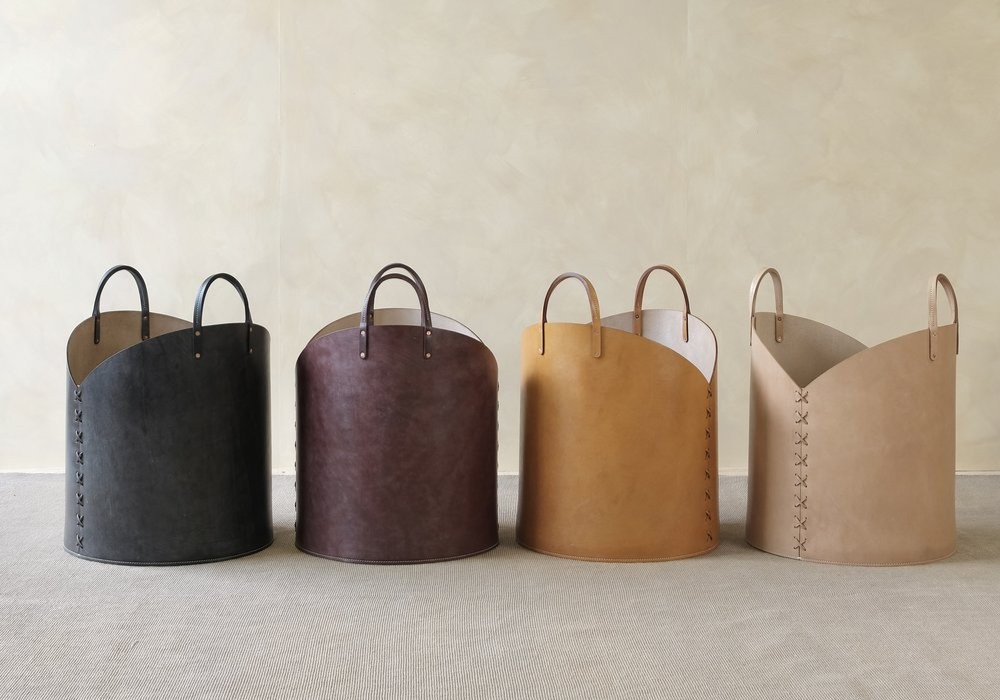
Niagara Acajou half-backs Acajou be used in leather goods when you need long lengths of leather: belts, wallets, card holders, key rings, bags, satchels, pouches, bracelets, watch straps, desk pads, knife sheaths, dog and cat collars, etc.
It can also be used in furniture: or the restorationseat or armchairseat of stiff, thick leather, covering the work surface of a desk, covering the doors of a dressing room.
It can also be used for harness parts: halters, bridles, harnesses, bride reins, headstalls, cheekpieces, browbands, nosebands, lunge lines, throatlocks, and straps.
Molding and marking (hot and cold) can be done withNiagara saddlery leather .
Dimensions and hide area of Niagara Acajou half-backs :
The half-back is composed of the shoulder and the butt, i.e. a side leather from which the sides have been removed. Its advantage is that it can be used for very long lengths, as in saddlery.
We offer 4 sizes:
- From 0.75 to 0.85m² a length (L) greater than 180 cm and a width (W) greater than 30 cm
- From 0.86 to 0.95m² a length (L) greater than 200 cm and a width (W) greater than 30 cm

- Between 1.55 and 1.70m² in size with a length (L) greater than 180cm and a width (W) greater than 60cm
- From 1.71 to 1.90 m² a length (L) greater than 200 cm and a width (W) greater than 60 cm

Care instructions for Niagara half-back Acajou saddle leather :
Thanks to tallow bath feeding, the fat is impregnated throughout the entire thickness of theNiagara saddlery leather , so there's no need to feed over time. Food can be applied to the flower to ensure its greasy appearance or to accelerate the leather's patina. This care of the grain ensures a longer life. OurNiagara saddlery leather will resist humidity. Simply leave to dry at room temperature to regain its appearance. Because it is fed in a tallow bath (grease), temperature shocks can cause a whitish film of paraffin to form. Simply rub it off.
Discover leather care tips from your tannery and 2 expert customers on the blog post "Leather care