
-
Out of stock
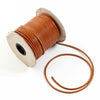
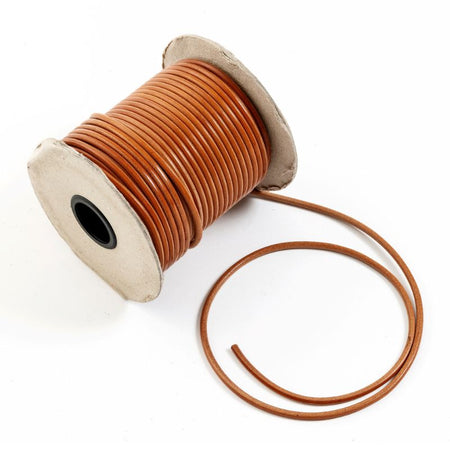
round rope in natural leather
From 3.63 EUR -

Shoulder Niagara Acajou
From 85.91 EUR -

shoulder Niagara chocolate
From 85.91 EUR -

shoulder Niagara Cognac
From 85.91 EUR -

shoulder Niagara color natural
From 85.91 EUR -

shoulder Niagara black
From 85.91 EUR -

shoulder Niagara havana
From 85.91 EUR -

half-back Niagara black
From 219.01 EUR -

Half-back Niagara Acajou
From 219.01 EUR -

half-back Niagara chocolate
From 219.01 EUR -

half-back Niagara havana
From 219.01 EUR -

half-back Niagara Cognac
From 219.01 EUR -

half-back Niagara color natural
From 219.01 EUR -

shoulder Pykara black
From 76.23 EUR -

shoulder Pykara chocolate
From 76.23 EUR -

shoulder Pykara havana
From 76.23 EUR -

shoulder Pykara Cognac
From 72.60 EUR -

hide Hukou black
From 308.55 EUR -

hide Hukou chocolate
From 308.55 EUR -

shoulder Pykara natural color
From 51.43 EUR -
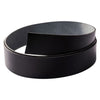
strap Pykara black
From 15.73 EUR -
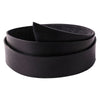
strap Niagara black
À partir de 16.94 EUR -
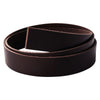
strap Pykara chocolate
From 15.73 EUR -
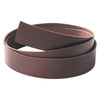
strap Pykara havana
From 15.73 EUR -
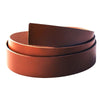
strap Pykara Cognac
From 15.73 EUR -
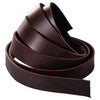
strap Niagara chocolate
From 16.94 EUR -
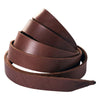
strap Niagara havana
From 16.94 EUR -
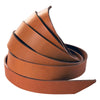
strap Niagara Cognac
From 16.94 EUR -
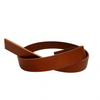
strap Niagara Acajou
From 16.94 EUR -
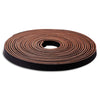
Set of 10 meter Niagara bridle reins chocolate
From 96.80 EUR -
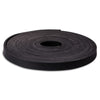
Set of 10 meter Niagara bridle reins black
From 96.80 EUR -
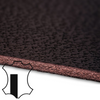
butt Gavarnie chocolate
212.96 EUR -
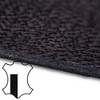
butt Gavarnie black
212.96 EUR -

strap Pykara color natural
From 12.10 EUR -
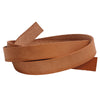
strap Niagara natural color
À partir de 16.94 EUR















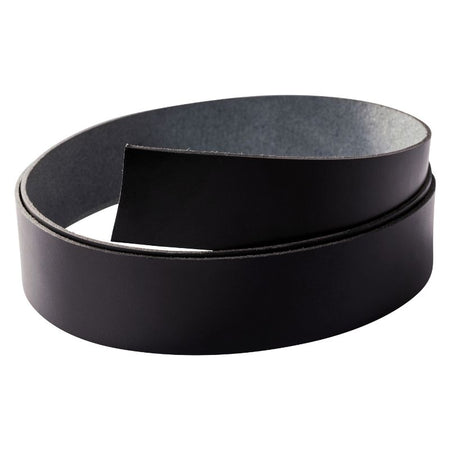
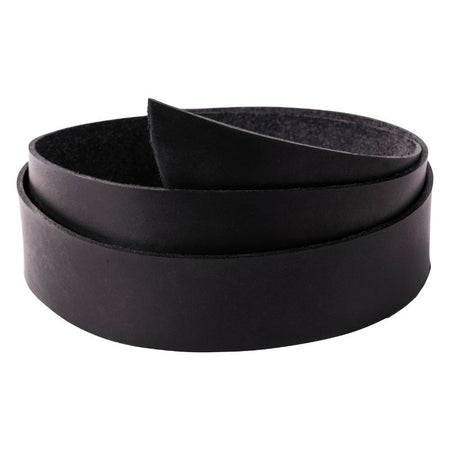
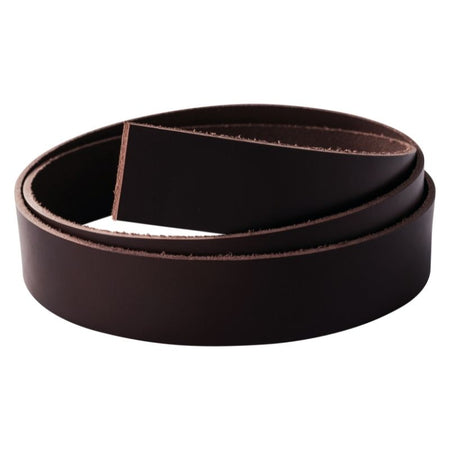
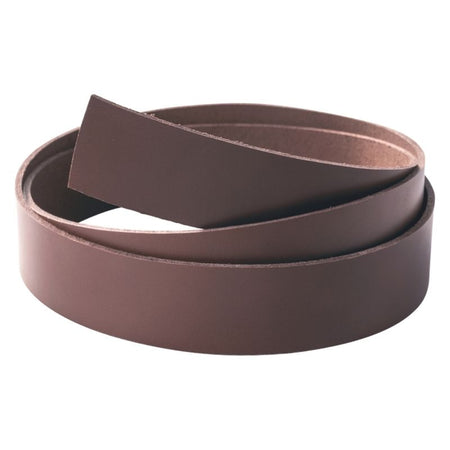
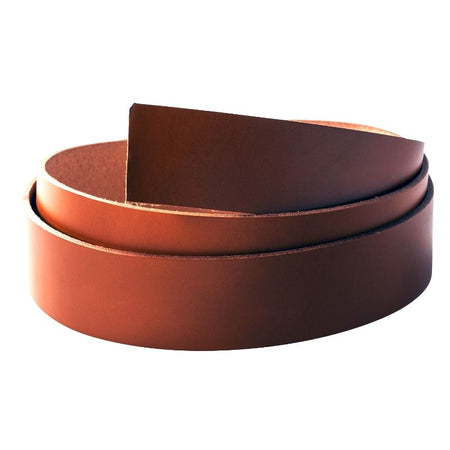
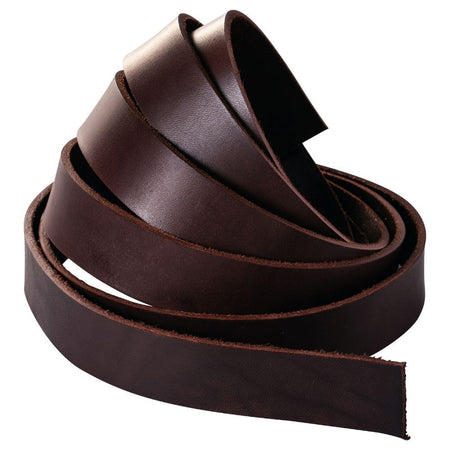
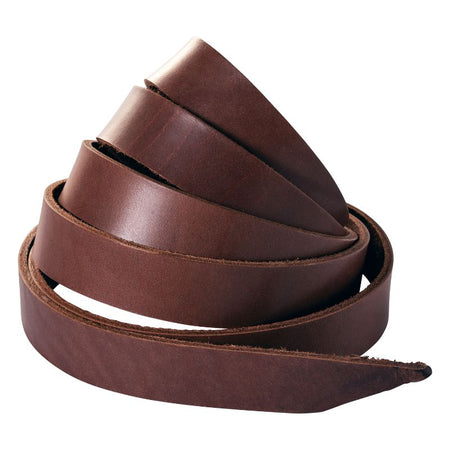
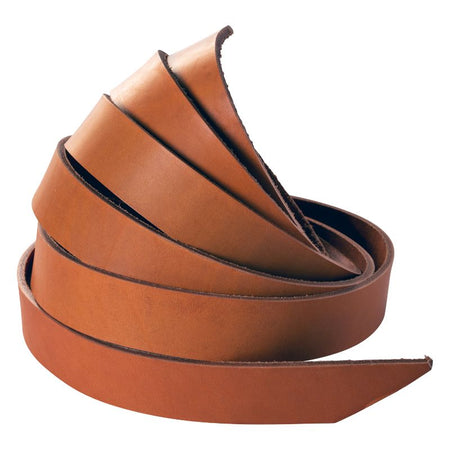
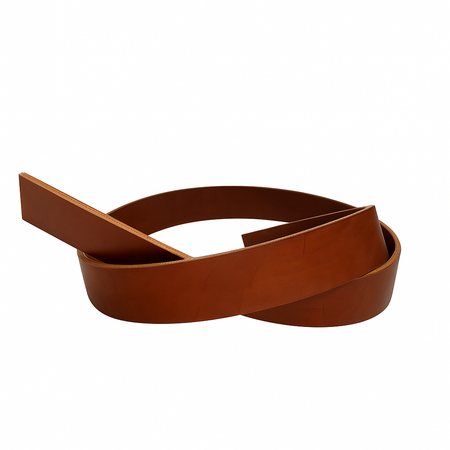
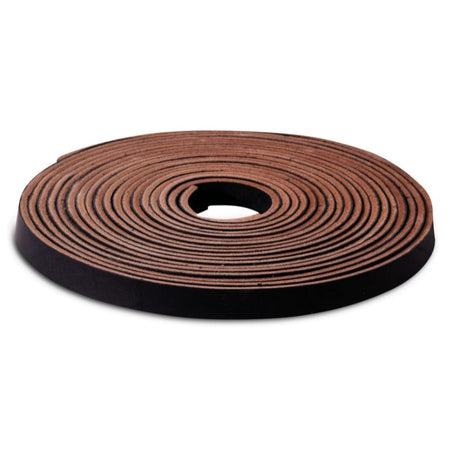
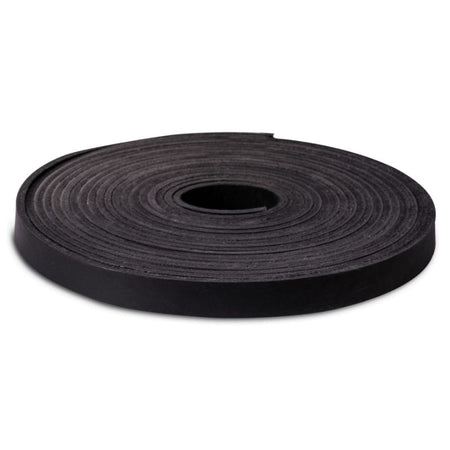
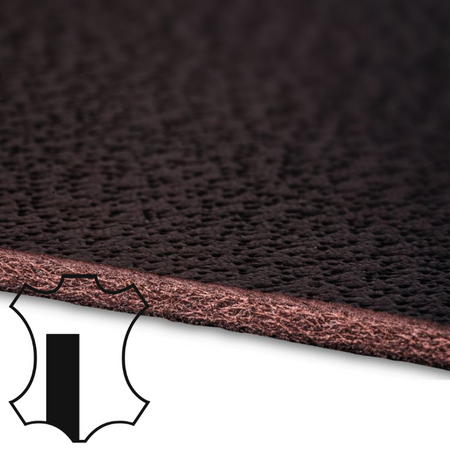
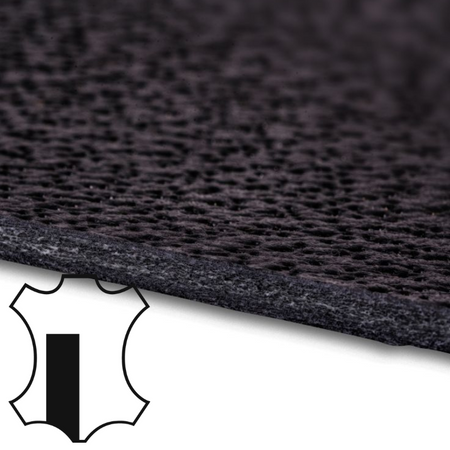
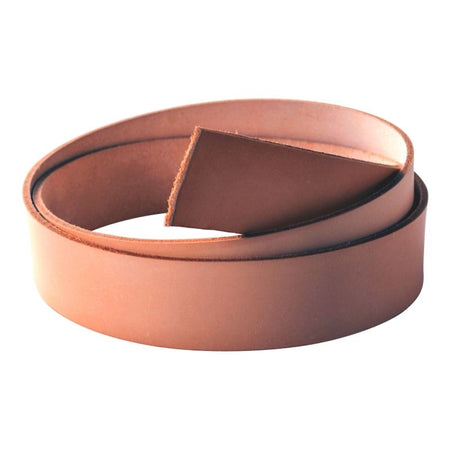
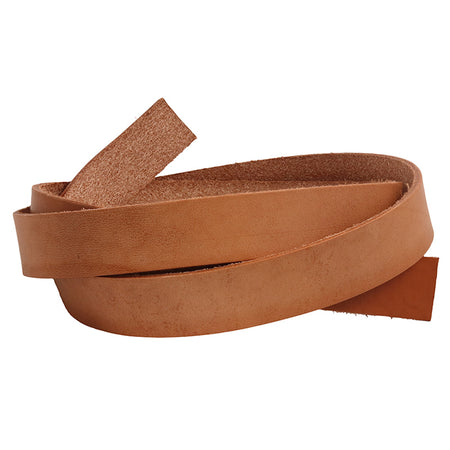
Vegetable-tanned leather for lovers of authenticity and eco-responsibility
Complete range of vegetable-tanned leathers
What is vegetable-tanning?
Leather tanning is the process of transforming hide (previously prepared) into leather. This operation transforms a putrescible hide into a rot-proof material: leather. The hides are bathed for several days in a drum in a mixture of water and tannins. These tannins can be of vegetable or mineral origin. Vegetable tanning is the oldest process. It requires the use of vegetable tannins such as quebracho, mimosa or chestnut bark powder. The choice of tannins used depends in particular on the animal species from which the leather is obtained. comes from hide and sought-after properties for leather.What are the characteristics of vegetable-tanned leather?
Vegetable-tanned leathers are non-allergenic, with natural hues that will develop a patina over time. Vegetable tanning produces firmer, stiffer leathers with a softer, silkier feel. Vegetable tanning is a much slower process than mineral tanning, but above all more respectful of the environment.Which Radermecker equestrian leather products are vegetable-tanned?
- saddlery leather full grain Niagara : half-back natural and tinted half-back side natural and dyed half-back strips 3*220cm natural and dyed & 4*220cm natural and tinted shoulder natural and tintedshoulder natural and tinted shoulder natural and tinted shoulder strap 4*120cm natural and tinted, stretched (one-third butt) and stretched leather strap .
- saddlery leather full grain Pykara : shoulder natural and tintedshoulder natural and tinted shoulder natural and tinted shoulder strap 4*120cm natural and tinted.
- saddlery leather Gavarnie.
- saddlery leather Hukou : en wholehide and half hide
How do you recognize vegetable-tanned leather?
It's not always easy to identify the origin of a leather's tanning: Mineral tanning? Vegetable tanning? Radermecker Tannery offers you a method for identifying the type of tanning applied to your leather: The flame technique.